When something is described as having "no concerns", it means that there are no issues or worries associated with it. Everything is in order and there is nothing to be concerned about.
This state of being free from concerns can be highly beneficial, as it allows for peace of mind and freedom from stress and anxiety. It can also lead to increased productivity and creativity, as people are able to focus on their tasks without being distracted by worries.
There are many ways to achieve a state of no concerns. It can be through meditation, yoga, or other relaxation techniques. It can also be achieved through positive thinking and visualization.
no concerns
When something is described as having "no concerns", it means that there are no issues or worries associated with it. This state of being free from concerns can be highly beneficial, as it allows for peace of mind and freedom from stress and anxiety.
- Peace of mind
- Freedom from stress
- Increased productivity
- Enhanced creativity
- Improved focus
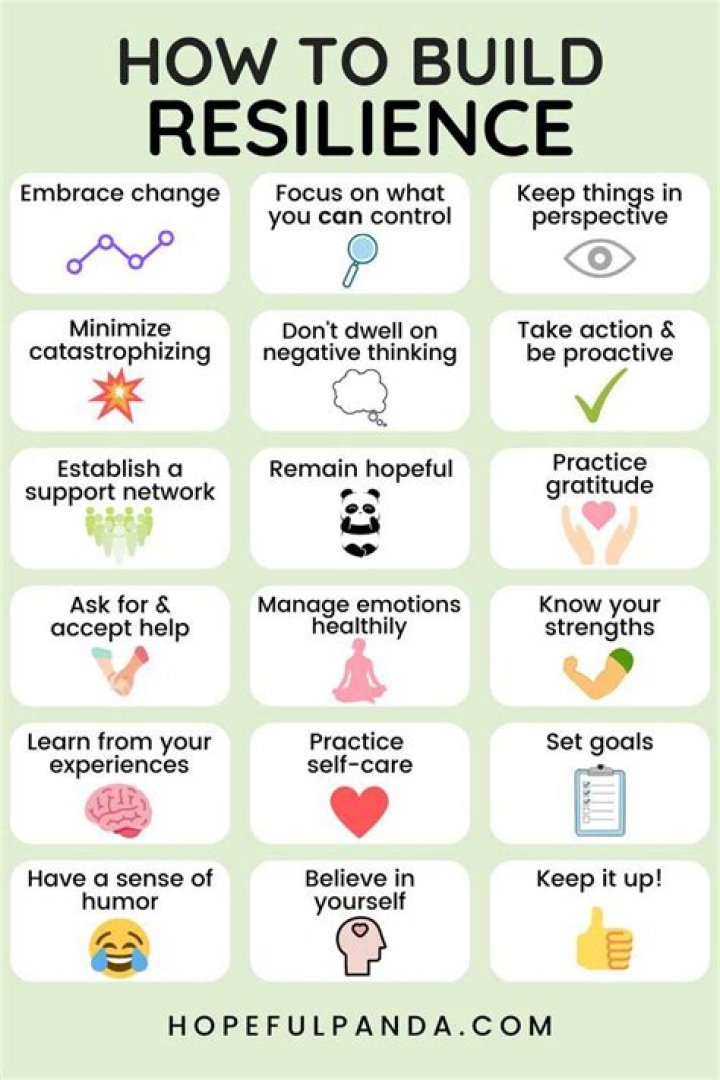
- Greater resilience
- Stronger relationships
- Overall well-being
These are just a few of the many benefits of having no concerns. When we are free from worry and anxiety, we are able to live our lives more fully and enjoy the present moment. We are also more likely to be successful in our personal and professional lives.
Peace of mind
Peace of mind is a state of mental and emotional calmness and serenity, with no worries, fears, or stresses. It is often associated with a sense of contentment and fulfillment.
- Freedom from worry and anxiety
When we have no concerns, we are free from worry and anxiety. This can lead to a sense of peace and tranquility, as we are not constantly dwelling on negative thoughts or outcomes.
- Increased clarity and focus
When we are not worried or stressed, we are able to think more clearly and focus on the present moment. This can lead to increased productivity and creativity, as we are able to use our mental energy more effectively.
- Improved relationships
When we are at peace with ourselves, we are more likely to be patient and understanding with others. This can lead to improved relationships, as we are able to communicate more effectively and resolve conflicts more peacefully.
- Overall well-being
Peace of mind is essential for overall well-being. When we are at peace, we are able to enjoy life more fully and live in the present moment. This can lead to increased happiness, satisfaction, and fulfillment.
In conclusion, peace of mind is a state of being that is free from concerns and worries. It has many benefits, including increased clarity and focus, improved relationships, and overall well-being.
Freedom from stress
Freedom from stress is a key component of having no concerns. When we are stressed, our bodies and minds are in a state of heightened alert. This can lead to a number of physical and mental health problems, including headaches, stomachaches, anxiety, and depression.
In contrast, when we are free from stress, our bodies and minds are able to relax and function properly. This can lead to a number of benefits, including improved sleep, better digestion, increased energy levels, and a more positive outlook on life.
There are many ways to achieve freedom from stress. Some people find that exercise, yoga, or meditation are helpful. Others find that spending time in nature, listening to music, or reading can help to reduce stress levels.
No matter how you choose to achieve it, freedom from stress is an important part of having no concerns. When you are free from stress, you are better able to enjoy life and live in the present moment.
Increased productivity
Increased productivity is a key component of having no concerns. When we are free from concerns, we are able to focus our attention on the task at hand and work more efficiently. This can lead to increased productivity, as we are able to complete more work in less time.
There are a number of ways in which increased productivity can benefit us. For example, increased productivity can lead to:
- Higher earnings: When we are more productive, we are able to produce more goods and services. This can lead to higher earnings, as businesses are willing to pay more for our increased output.
- More free time: When we are more productive, we are able to complete our work more quickly. This can free up more time for us to spend on leisure activities, hobbies, or spending time with loved ones.
- Greater job satisfaction: When we are able to be productive and complete our work to a high standard, it can lead to a greater sense of job satisfaction. This is because we are able to see the of our work and feel good about what we have accomplished.
In conclusion, increased productivity is a key component of having no concerns. When we are free from concerns, we are able to focus our attention on the task at hand and work more efficiently. This can lead to a number of benefits, including higher earnings, more free time, and greater job satisfaction.
Enhanced creativity
Enhanced creativity is a key component of having no concerns. When we are free from concerns, we are able to think more freely and creatively. This can lead to new ideas, solutions, and innovations.
There are a number of ways in which enhanced creativity can benefit us. For example, enhanced creativity can lead to:
- Greater problem-solving ability: When we are more creative, we are able to think outside the box and come up with new solutions to problems.
- Improved decision-making: When we are more creative, we are able to see more possibilities and make better decisions.
- Increased innovation: When we are more creative, we are more likely to come up with new ideas and innovations.
In conclusion, enhanced creativity is a key component of having no concerns. When we are free from concerns, we are able to think more freely and creatively. This can lead to a number of benefits, including greater problem-solving ability, improved decision-making, and increased innovation.
Improved focus
Improved focus is a key component of having no concerns. When we are free from concerns, we are able to focus our attention on the task at hand and avoid distractions. This can lead to improved focus, as we are able to stay on track and complete our work more efficiently.
There are a number of ways in which improved focus can benefit us. For example, improved focus can lead to:
- Increased productivity: When we are able to focus our attention on the task at hand, we are able to work more efficiently and complete more work in less time.
- Enhanced creativity: When we are able to focus our attention on a specific problem or task, we are more likely to come up with new ideas and solutions.
- Improved decision-making: When we are able to focus our attention on the information that is relevant to a decision, we are more likely to make better decisions.
In conclusion, improved focus is a key component of having no concerns. When we are free from concerns, we are able to focus our attention on the task at hand and avoid distractions. This can lead to a number of benefits, including increased productivity, enhanced creativity, and improved decision-making.
Greater resilience
Greater resilience is a key component of having no concerns. Resilience is the ability to bounce back from adversity and challenges. When we are resilient, we are able to face difficult situations with strength and determination. This can help us to overcome obstacles and achieve our goals.
There are a number of ways in which greater resilience can benefit us. For example, greater resilience can lead to:
- Increased ability to cope with stress: When we are resilient, we are able to better cope with stress and pressure. This can help us to stay calm and focused in difficult situations.
- Improved problem-solving skills: When we are resilient, we are able to think more clearly and creatively when faced with problems. This can help us to find solutions and overcome challenges.
- Greater self-confidence: When we are resilient, we are more likely to believe in our ability to achieve our goals. This can lead to greater self-confidence and a more positive outlook on life.
In conclusion, greater resilience is a key component of having no concerns. When we are resilient, we are able to face difficult situations with strength and determination. This can help us to overcome obstacles, achieve our goals, and live happier, more fulfilling lives.
Stronger relationships
Stronger relationships are a key component of having no concerns. When we have strong relationships, we have people in our lives who support us, care about us, and help us through difficult times. This can give us a sense of security and belonging, which can help to reduce stress and anxiety.
There are a number of ways in which stronger relationships can benefit us. For example, stronger relationships can lead to:
- Increased happiness: When we have strong relationships, we are more likely to be happy and satisfied with our lives.
- Improved health: Strong relationships can help to improve our physical and mental health. For example, people with strong relationships are more likely to exercise regularly, eat healthy foods, and get enough sleep.
- Greater resilience: When we have strong relationships, we are better able to cope with stress and adversity. This is because we have people in our lives who can support us and help us through difficult times.
In conclusion, stronger relationships are a key component of having no concerns. When we have strong relationships, we have people in our lives who support us, care about us, and help us through difficult times. This can give us a sense of security and belonging, which can help to reduce stress and anxiety.
Overall well-being
Overall well-being encompasses various aspects of an individual's life, including physical, mental, emotional, and social health, as well as a sense of purpose and fulfillment. The absence of concerns plays a crucial role in overall well-being, contributing to a state of tranquility, contentment, and optimal functioning.
- Physical health
When concerns are diminished, individuals tend to experience better physical health outcomes. Reduced stress levels positively impact the immune system, cardiovascular health, and overall bodily functions. Adequate sleep, regular exercise, and healthy dietary choices become more feasible, further enhancing physical well-being.
- Mental health
The absence of concerns fosters a tranquil mind, promoting emotional stability and resilience. Individuals can better manage stress, regulate emotions, and maintain a positive outlook. Reduced anxiety and depression contribute to improved cognitive functioning, enhanced creativity, and increased productivity.
- Emotional well-being
When concerns are absent, individuals experience a greater sense of contentment and fulfillment. They are more likely to engage in activities that bring joy and purpose, fostering a positive emotional state. Healthy relationships, meaningful connections, and a sense of belonging further contribute to emotional well-being.
- Social well-being
The absence of concerns allows individuals to engage more fully in social interactions. They are more likely to build and maintain strong relationships, participate in community activities, and contribute to society. A strong social support system is essential for overall well-being, providing a sense of belonging, purpose, and support during challenging times.
In conclusion, the absence of concerns is inextricably linked to overall well-being. When concerns are minimized or eliminated, individuals experience improvements in physical, mental, emotional, and social health, leading to a more fulfilling and flourishing life.
Frequently Asked Questions about "No Concerns"
This section addresses common questions and misconceptions related to the concept of "no concerns":
Question 1: What exactly does "no concerns" mean?Answer: "No concerns" signifies a state of being where there are no issues, worries, or apprehensions. It represents peace of mind, freedom from stress and anxiety, and a sense of tranquility.
Question 2: Is it realistic to have no concerns?Answer: While it is unrealistic to assume a complete absence of concerns throughout life, individuals can aspire to minimize concerns and cultivate a mindset of resilience and optimism. By adopting healthy coping mechanisms, practicing stress management techniques, and focusing on gratitude, it is possible to significantly reduce the impact of concerns.
Question 3: How can I achieve a state of no concerns?Answer: Achieving a state of no concerns requires a multifaceted approach. It involves cultivating a positive mindset, practicing mindfulness, engaging in regular exercise, maintaining a healthy diet, and nurturing meaningful relationships. Additionally, seeking professional help from therapists or counselors can provide valuable support and guidance.
Question 4: What are the benefits of having no concerns?Answer: The benefits of having no concerns are numerous and far-reaching. They include improved physical health, enhanced mental well-being, increased productivity, stronger relationships, and a greater sense of overall happiness and fulfillment.
Question 5: How can I maintain a state of no concerns in the face of life's challenges?Answer: Maintaining a state of no concerns amidst life's challenges requires resilience and adaptability. It involves practicing acceptance, focusing on solutions rather than problems, seeking support from others, and finding meaning and purpose in life's experiences.
Question 6: Is it possible to live a life without any concerns whatsoever?Answer: While it is unlikely to completely eliminate all concerns from life, individuals can strive to minimize their impact and develop coping mechanisms to manage them effectively. By cultivating a sense of inner peace and well-being, it is possible to live a fulfilling life despite the presence of occasional concerns.
In conclusion, "no concerns" represents a desirable state of being where individuals are free from worries and anxieties. While it may not be perpetually attainable, individuals can make conscious efforts to reduce concerns and cultivate a mindset of resilience, optimism, and well-being.
Transition to the next article section:
Moving forward, we will explore specific strategies and techniques for achieving a state of no concerns and maintaining it in the face of life's challenges.
Tips for Achieving "No Concerns"
Cultivating a state of "no concerns" requires a holistic approach that encompasses both mindset and practical strategies. Here are several tips to guide you on this journey:
Tip 1: Embrace a Growth Mindset
Adopt a mindset that views challenges as opportunities for growth and learning. Instead of fearing setbacks, reframe them as stepping stones toward progress. This shift in perspective helps reduce anxiety and fosters resilience.
Tip 2: Practice Mindfulness
Mindfulness involves paying attention to the present moment without judgment. Regular mindfulness practice helps calm the mind, reduce stress, and promote emotional regulation. Engage in activities such as meditation, yoga, or simply taking a few minutes each day to focus on your breath.
Tip 3: Cultivate Gratitude
Focus on the positive aspects of your life and express gratitude for what you have. Keep a gratitude journal, write thank-you notes, or simply take time each day to reflect on the things that bring you joy. This practice helps shift your attention away from worries and towards a more optimistic outlook.
Tip 4: Seek Meaning and Purpose
Identify what truly matters to you and align your actions with your values. Engaging in activities that give you a sense of purpose and fulfillment can reduce stress, boost well-being, and provide a buffer against concerns.
Tip 5: Nurture Healthy Relationships
Surround yourself with supportive and positive individuals who uplift you and provide emotional support during challenging times. Strong relationships can act as a protective factor against stress and anxiety.
Tip 6: Practice Self-Care
Prioritize your physical and mental well-being. Engage in regular exercise, maintain a healthy diet, and get sufficient sleep. Self-care practices help reduce stress, improve mood, and enhance overall resilience.
Tip 7: Seek Professional Help When Needed
If concerns persist or significantly impact your life, do not hesitate to seek professional help. Therapists or counselors can provide support, guidance, and evidence-based strategies for managing concerns and cultivating well-being.
Summary
Achieving a state of "no concerns" is a gradual process that requires commitment and consistent effort. By incorporating these tips into your life, you can cultivate a mindset of resilience, optimism, and well-being, empowering you to navigate life's challenges with greater ease and tranquility.
Conclusion
Throughout this exploration of "no concerns," we have delved into its profound significance for our well-being, productivity, and overall life experience. By cultivating a mindset free from worries and anxieties, we unlock a path towards greater peace, fulfillment, and resilience.
While achieving a state of "no concerns" may not always be feasible, it is a worthy aspiration that empowers us to navigate life's challenges with greater ease and tranquility. By embracing the strategies and tips outlined in this article, we can gradually reduce the impact of concerns, cultivate inner peace, and live more fulfilling lives.
Discover The Secrets Of "Jayne Stars": Potential Havens For Extraterrestrial Life!
Unleash The Thrill: A Deep Dive Into Deep Ellum Axe Throwing
Discover The Secrets Of Goodman Plaza: Your Guide To Unlocking Nail Salon Excellence