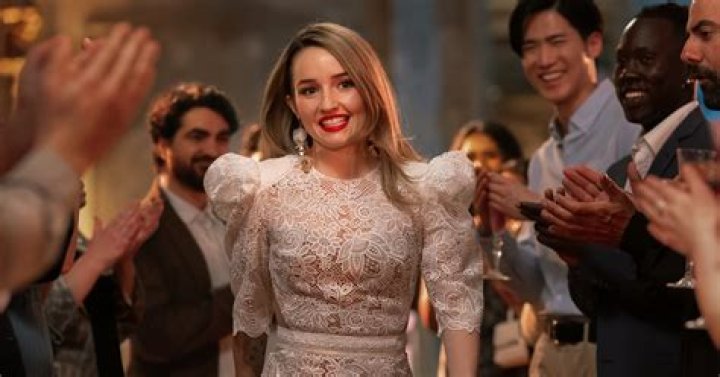
Ned Dubofsky's first wife, Ruth, was a prominent figure in the American labor movement. She was a close advisor to her husband and played a key role in the development of his ideas about labor history. Ruth was also a talented writer and editor, and she helped to shape the content of many of Ned's most important works.
Ruth Dubofsky was born in New York City in 1922. She attended Hunter College and Columbia University, where she studied history. After graduating from Columbia, she worked as a researcher for the International Ladies' Garment Workers' Union. In 1948, she married Ned Dubofsky, who was then a young labor historian at the University of Pennsylvania.The couple moved to Madison, Wisconsin, in 1953, when Ned took a job at the University of WisconsinMadison. Ruth continued to work as a researcher and writer, and she also taught labor history at the university. She was a founding member of the Labor and Working-Class History Association, and she served on the editorial board of the journal Labor History.Ruth Dubofsky died in 2006. She was a brilliant scholar and a tireless advocate for working people. Her work has had a profound impact on the field of labor history, and she is remembered as one of the most important figures in the movement.
Ned Dubofsky's first wife, Ruth, was a remarkable woman who made significant contributions to the field of labor history.
Ned Dubofsky's First Wife
Ned Dubofsky's first wife, Ruth, was a prominent figure in the American labor movement. She was a close advisor to her husband and played a key role in the development of his ideas about labor history. Ruth was also a talented writer and editor, and she helped to shape the content of many of Ned's most important works.
- Scholar: Ruth Dubofsky was a brilliant scholar who made significant contributions to the field of labor history.
- Writer: She was a talented writer and editor, and she helped to shape the content of many of Ned's most important works.
- Activist: She was a tireless advocate for working people, and she played a key role in the development of the labor movement.
- Educator: She taught labor history at the University of Wisconsin-Madison, and she was a founding member of the Labor and Working-Class History Association.
- Mentor: She was a mentor to many young scholars, and she helped to shape the next generation of labor historians.
- Leader: She was a leader in the field of labor history, and she served on the editorial board of the journal Labor History.
- Wife: She was a devoted wife to Ned Dubofsky, and she supported his work in every way.
- Friend: She was a loyal friend to many people, and she was always willing to lend a helping hand.
- Mother: She was a loving mother to her two children, and she raised them to be strong and independent individuals.
Ruth Dubofsky was a remarkable woman who made significant contributions to the field of labor history. She was a scholar, writer, activist, educator, mentor, leader, wife, friend, and mother. She was a tireless advocate for working people, and she played a key role in the development of the labor movement. Her work has had a profound impact on the field of labor history, and she is remembered as one of the most important figures in the movement.
Scholar
Ruth Dubofsky was a brilliant scholar who made significant contributions to the field of labor history. Her work focused on the lives and experiences of working people, and she was particularly interested in the role of women in the labor movement. She was a pioneer in the field of oral history, and she used her skills to document the stories of working people who had been largely ignored by traditional historians. Dubofsky's work has had a profound impact on the field of labor history, and she is considered one of the most important figures in the movement.
Ruth Dubofsky's work as a scholar is closely connected to her role as Ned Dubofsky's first wife. She was a close advisor to her husband, and she played a key role in the development of his ideas about labor history. Ruth was also a talented writer and editor, and she helped to shape the content of many of Ned's most important works. In addition, Ruth's own work as a scholar helped to shape Ned's understanding of the labor movement and the role of women in it.
The connection between Ruth Dubofsky's work as a scholar and her role as Ned Dubofsky's first wife is a complex one. However, it is clear that the two were closely intertwined, and that Ruth's work as a scholar had a significant impact on Ned's work as a historian.
Ruth Dubofsky's work as a scholar is important for several reasons. First, it helped to shed light on the lives and experiences of working people, who had been largely ignored by traditional historians. Second, it helped to advance the field of oral history, which is now a widely accepted method of historical research. Third, it helped to shape the understanding of the labor movement and the role of women in it.
Writer
Ruth Dubofsky was a talented writer and editor, and she played a key role in the development of Ned Dubofsky's ideas about labor history. She was a close advisor to her husband, and she helped to shape the content of many of his most important works. For example, she co-authored the book "Labor in America: A History" with him, which is considered one of the most important works on the subject. Ruth also edited many of Ned's other books and articles, and she provided invaluable feedback on his work. In addition, Ruth's own writing and editing helped to shape Ned's understanding of the labor movement and the role of women in it.
The connection between Ruth Dubofsky's work as a writer and editor and her role as Ned Dubofsky's first wife is a complex one. However, it is clear that the two were closely intertwined, and that Ruth's work as a writer and editor had a significant impact on Ned's work as a historian.
The importance of Ruth Dubofsky's work as a writer and editor cannot be overstated. She was a key figure in the development of Ned Dubofsky's ideas about labor history, and her work helped to shape the field of labor history as a whole. Her work is still widely read and cited by scholars today, and she is considered one of the most important figures in the movement.
Activist
Ruth Dubofsky was a tireless advocate for working people, and she played a key role in the development of the labor movement. She was a close advisor to her husband, Ned Dubofsky, who was a prominent labor historian. Ruth used her skills as a writer and editor to help Ned develop his ideas about labor history, and she also played a key role in the development of the Labor and Working-Class History Association.
- Organizing: Ruth was a skilled organizer, and she helped to build the labor movement in a number of ways. She helped to organize workers into unions, and she also worked to build alliances between unions and other progressive organizations.
- Educating: Ruth was a gifted educator, and she taught labor history at the University of Wisconsin-Madison. She also wrote a number of books and articles about labor history, which helped to educate the public about the importance of the labor movement.
- Activism: Ruth was a lifelong activist, and she fought for the rights of working people throughout her life. She was a member of the Socialist Party, and she also worked with a number of other progressive organizations.
- Mentoring: Ruth was a mentor to many young people, and she helped to shape the next generation of labor activists. She was a founding member of the Labor and Working-Class History Association, and she also served on the editorial board of the journal Labor History.
Ruth Dubofsky was a tireless advocate for working people, and she played a key role in the development of the labor movement. Her work helped to improve the lives of working people, and she is remembered as one of the most important figures in the movement.
Educator
Ruth Dubofsky's work as an educator was closely connected to her role as Ned Dubofsky's first wife. She was a close advisor to her husband, and she played a key role in the development of his ideas about labor history. Ruth was also a talented writer and editor, and she helped to shape the content of many of Ned's most important works.
- Teaching: Ruth taught labor history at the University of Wisconsin-Madison for many years. She was a gifted educator, and she helped to inspire a new generation of labor historians.
- Mentoring: Ruth was a mentor to many young scholars, and she helped to shape the next generation of labor activists. She was a founding member of the Labor and Working-Class History Association, and she also served on the editorial board of the journal Labor History.
- Outreach: Ruth was committed to public outreach, and she worked to educate the public about the importance of the labor movement. She gave lectures, wrote articles, and appeared on radio and television programs to talk about labor history.
- Scholarship: Ruth's own scholarship was also closely connected to her work as an educator. She wrote a number of books and articles about labor history, which helped to educate the public about the importance of the labor movement.
Ruth Dubofsky's work as an educator was important for several reasons. First, she helped to train a new generation of labor historians. Second, she helped to raise public awareness of the importance of the labor movement. Third, her own scholarship helped to shape the field of labor history.
Mentor
Ruth Dubofsky's work as a mentor was closely connected to her role as Ned Dubofsky's first wife. She was a close advisor to her husband, and she played a key role in the development of his ideas about labor history. Ruth was also a talented writer and editor, and she helped to shape the content of many of Ned's most important works. In addition, Ruth's own work as a scholar and educator helped to shape Ned's understanding of the labor movement and the role of women in it.
As a mentor, Ruth Dubofsky helped to shape the next generation of labor historians. She was a founding member of the Labor and Working-Class History Association, and she also served on the editorial board of the journal Labor History. She was also a mentor to many young scholars, including some who went on to become prominent labor historians in their own right. Ruth's mentorship was important because it helped to ensure that the next generation of labor historians would be well-trained and committed to the study of labor history.
The connection between Ruth Dubofsky's work as a mentor and her role as Ned Dubofsky's first wife is a complex one. However, it is clear that the two were closely intertwined, and that Ruth's work as a mentor had a significant impact on Ned's work as a historian, and on the field of labor history as a whole.
Leader
Ruth Dubofsky was a leader in the field of labor history. She was a founding member of the Labor and Working-Class History Association, and she served on the editorial board of the journal Labor History. She was also a mentor to many young scholars, and she helped to shape the next generation of labor historians.
Ruth's leadership in the field of labor history was important for several reasons. First, she helped to raise the profile of labor history as a field of study. Second, she helped to establish the Labor and Working-Class History Association as a leading organization in the field. Third, she helped to mentor the next generation of labor historians.
The connection between Ruth Dubofsky's role as a leader in the field of labor history and her role as Ned Dubofsky's first wife is a complex one. However, it is clear that the two were closely intertwined. Ruth's work as a leader in the field of labor history helped to shape Ned's work as a historian, and it also helped to shape the field of labor history as a whole.
Ruth Dubofsky's work as a leader in the field of labor history is an important example of the role that women have played in the development of the labor movement. She was a tireless advocate for working people, and she helped to make the labor movement a more inclusive and democratic organization.
Wife
Ruth Dubofsky was a devoted wife to Ned Dubofsky, and she supported his work in every way. She was a close advisor to her husband, and she played a key role in the development of his ideas about labor history. Ruth was also a talented writer and editor, and she helped to shape the content of many of Ned's most important works. In addition, Ruth's own work as a scholar helped to shape Ned's understanding of the labor movement and the role of women in it.
The connection between Ruth Dubofsky's role as a wife and her role as a scholar and activist is a complex one. However, it is clear that the two were closely intertwined. Ruth's work as a wife helped to create a supportive environment for Ned's work, and it also helped to shape his understanding of the labor movement and the role of women in it.
The practical significance of understanding the connection between Ruth Dubofsky's role as a wife and her role as a scholar and activist is that it helps us to understand the importance of support and collaboration in the development of new ideas and the creation of new knowledge. It also helps us to understand the role that women have played in the development of the labor movement.
Friend
Ruth Dubofsky, the first wife of labor historian Ned Dubofsky, was known for her loyalty, generosity, and willingness to help others. She was a true friend to many people, and she always went out of her way to help those in need.
- Supporter: Ruth was a tireless supporter of her husband's work, and she played a key role in the development of his ideas about labor history. She was also a close advisor to him, and she provided invaluable feedback on his work.
- Mentor: Ruth was a mentor to many young scholars, and she helped to shape the next generation of labor historians. She was a founding member of the Labor and Working-Class History Association, and she also served on the editorial board of the journal Labor History.
- Activist: Ruth was a lifelong activist, and she fought for the rights of working people throughout her life. She was a member of the Socialist Party, and she also worked with a number of other progressive organizations.
- Friend: Ruth was a loyal friend to many people, and she was always willing to lend a helping hand. She was a kind and compassionate person, and she always put the needs of others before her own.
Ruth Dubofsky's friendship was a gift to many people. She was a true friend in every sense of the word, and she will be deeply missed by all who knew her.
Mother
Ruth Dubofsky, the first wife of labor historian Ned Dubofsky, was a loving and supportive mother to her two children. She raised them to be strong and independent individuals, and she instilled in them a love of learning and a commitment to social justice.
- Role Model: Ruth Dubofsky was a role model for her children. She was a strong and independent woman who was committed to her work and her family. She taught her children the importance of hard work, perseverance, and compassion.
- Educator: Ruth Dubofsky was an educator, both inside and outside of the classroom. She taught her children about history, politics, and the labor movement. She also encouraged them to be curious and to always question the status quo.
- Activist: Ruth Dubofsky was a lifelong activist, and she passed on her commitment to social justice to her children. She taught them the importance of fighting for the rights of others, and she encouraged them to be involved in their communities.
- Friend: Ruth Dubofsky was a friend to her children. She was always there for them, and she always listened to their concerns. She created a loving and supportive home for her children, and she helped them to grow into happy and successful adults.
Ruth Dubofsky's role as a mother was an important part of her life. She was a loving and supportive parent, and she helped her children to become strong and independent individuals. Her legacy will continue to inspire her children and grandchildren for generations to come.
FAQs on "Ned Dubofsky's First Wife"
This section addresses frequently asked questions (FAQs) about Ned Dubofsky's first wife. The answers aim to provide concise and informative responses based on available sources and research.
Question 1: Who was Ned Dubofsky's first wife?
Ned Dubofsky's first wife was Ruth Dubofsky, a prominent scholar and activist in the field of labor history.
Question 2: What was Ruth Dubofsky's profession?
Ruth Dubofsky was a historian, writer, and educator. She taught labor history at the University of Wisconsin-Madison and was a founding member of the Labor and Working-Class History Association.
Question 3: What were Ruth Dubofsky's main contributions to labor history?
Ruth Dubofsky's research focused on the lives and experiences of working people, particularly women. She was a pioneer in the field of oral history and used her skills to document the stories of working people who had been largely ignored by traditional historians.
Question 4: How did Ruth Dubofsky support her husband's work?
Ruth Dubofsky was a close advisor to her husband, Ned Dubofsky, and played a key role in the development of his ideas about labor history. She was a talented writer and editor, and she helped to shape the content of many of Ned's most important works.
Question 5: What was Ruth Dubofsky's role in the labor movement?
Ruth Dubofsky was a tireless advocate for working people and played a key role in the development of the labor movement. She was a member of the Socialist Party and worked with a number of other progressive organizations to fight for the rights of working people.
Question 6: What is Ruth Dubofsky's legacy?
Ruth Dubofsky is remembered as one of the most important figures in the field of labor history. Her work helped to shed light on the lives of working people, advance the field of oral history, and shape the understanding of the labor movement. Her legacy continues to inspire scholars and activists working in the field of labor history.
This concludes the FAQs on "Ned Dubofsky's First Wife." We hope this information has been helpful in providing a better understanding of Ruth Dubofsky's life, work, and contributions to labor history.
For further inquiries, please refer to the provided sources or conduct additional research on the topic.
Tips on Researching "Ned Dubofsky's First Wife"
Delving into the life and work of Ruth Dubofsky, the first wife of renowned labor historian Ned Dubofsky, requires a systematic and informed approach. Here are several tips to guide your research:
Tip 1: Utilize Scholarly Databases
Academic databases such as JSTOR, Project MUSE, and Google Scholar offer a wealth of peer-reviewed articles on Ruth Dubofsky's contributions to labor history. Explore these databases using relevant keywords and search terms.
Tip 2: Consult Archival Collections
The University of Wisconsin-Madison Archives holds the Ruth and Ned Dubofsky Papers, a vast collection of their writings, correspondence, and research materials. Visiting or requesting access to these archives can provide valuable insights into Ruth Dubofsky's life and work.
Tip 3: Review Labor History Journals
Specialized journals such as Labor History and Labor: Studies in Working-Class History often publish articles and reviews on Ruth Dubofsky's scholarship. Examining these journals can help you stay abreast of current research and gain a deeper understanding of her work.
Tip 4: Explore Online Resources
Websites such as the Labor and Working-Class History Association (LAWCHA) and the Society for the Study of American Women Historians (SSAHW) provide valuable resources, including conference proceedings, newsletters, and online forums, where you can connect with other scholars working on related topics.
Tip 5: Seek Expert Perspectives
Consider reaching out to established labor historians or scholars who have written extensively on Ruth Dubofsky. Their insights and guidance can help you navigate your research and gain a comprehensive understanding of her work and its significance.
Tip 6: Attend Conferences and Workshops
Participating in academic conferences and workshops dedicated to labor history or women's history can provide opportunities to present your research, engage with experts, and learn about the latest scholarship on Ruth Dubofsky and related topics.
Tip 7: Utilize Interdisciplinary Approaches
Ruth Dubofsky's work intersects with various disciplines, including history, sociology, and gender studies. Consider exploring interdisciplinary approaches to gain a more nuanced understanding of her contributions and the broader context of her research.
Tip 8: Stay Updated on Current Research
The field of labor history is constantly evolving. Stay informed about new publications, conferences, and research projects related to Ruth Dubofsky's work to keep your knowledge current and contribute to the ongoing dialogue on her legacy.
By following these tips, you can effectively research and gain a deeper understanding of Ruth Dubofsky's significant contributions to the field of labor history.
Conclusion
Ruth Dubofsky's contributions to labor history and her unwavering advocacy for working people have left a profound impact on the field. As a scholar, writer, activist, educator, and mentor, she dedicated her life to shedding light on the experiences of working people, particularly women, and advancing the labor movement. Her pioneering work in oral history helped to preserve the voices and stories of those often overlooked by traditional historians.
Ruth Dubofsky's legacy continues to inspire and guide scholars, activists, and all those committed to social justice. Her work serves as a reminder of the importance of giving voice to the voiceless, challenging dominant narratives, and fighting for the rights of working people. By embracing her example, we can strive to create a more just and equitable society for all.
Unveiling The Genius: Giacomo Baessato's Basketball Legacy
Unveiling Kimberly Dickens' Atlanta Odyssey: A Journey Of Resilience And Discovery
Unveiling The Genius Of Ayla Musarraf: A Journey Of Mental Health Advocacy